Thursday, May 29, 2014

Tuesday, May 27, 2014
Tuesday
Germanic kingdoms unite under Charlemagne
- Middle ages= medieval period
- 476- 1453 AD
- medieval europe is fragmented
- this is a new society
- this new society has roots in
- classic heritage of rome
- beliefs of the Roman Catholic Church
- customs of various Germanic tribes
- 5th century Germanic invaders
- overrun the western half of the roman empire
- causing
- disruption of trade
- downfall of cities
- population shifts to rural areas
- Germanic kingdoms emerge: AD 400-600
- Germanic warriors' loyalty is to the lord of the manor he provides them with food, weapons, treasure
- results: no orderly government for large areas
- small communities rule
- church revenues are used to help the poor, build roads, and raise armies
- this is theocracy
- Hammer defeats a muslim raiding party from spain at the Battle of Tours in 732
Friday, May 23, 2014
Friday
We went over the powerpoint.
- Medieval 476-1453 AD
- from the end of the Roman Empire to the conquest of Constantinople by the Turks
- The new Society
- classical heritage of Rome
- beliefs of the Roman Catholic Church
- customs of various Germanic tribes
Wednesday, May 21, 2014
Wednesday
today we went over the powerpoint again.
- Charles the Hammer
- Pepin the Short
- Charles the Great
- Charlemagne
Tuesday, May 20, 2014
Tues
Germanic Kingdoms
- Middle Ages
- medieval period
- 500-1500 AD
- Medieval Europe is fragmented
- Invasions Trigger changes in Western Europe
- invasions and constant warfare spark new friends
- Disruption of trade
- Europe's cities are no longer economic centers
- money is scarce
- Downfall of Cities
- cities are no longer centers of administration
- Population Cities
- nobles retreat to the rural areas
- cities don't have strong leadership
- Decline of Learning
- Germanic invaders are illiterate
- priests and church officials could read and write
- loss of language
- dialects develop in different regions
- ALL INVOLVED FROM LATIN
- Germanic kingdoms emerge
- the concept of government changes
- roman society: loyal to public gov't
- Germanic society: loyal to family
- chief led warriors
- during peace, provided food, weapons, treasure, a place to live
- The franks under Clovis
- battlefield conversion
- Constantine
- warriors and himself baptized
- church in rome approves of this "alliance"
- Germanic peoples adopt Christianity
- Pope Gregory
- expands papal power
- King is like pope, pope is like king
Sunday, May 18, 2014
Friday
we went over the power point and took notes:
- Christendom: a combination of Christianity and a kingdom
- Tithe/tithing: give 10% of what you make in a year to the Church
- Eastern Empire was called, "Byzantine Empire"
- They were doing okay
- Became more Greek than Roman
- Greek intellects
- Socrates
- Plato
- Aristotle
- Education was considered less important
- Mostly only priests were reading
- Common people only learn trade, not education
- Romans were no longer the center of everything
Friday, May 16, 2014
wednesday
Today in west civ class we took the test. I think i did very well on it atleast an A. Im prepared for my result. then we took notes
page 151
-the two centuries after the fall of Rome were a time of turmoil in europe that would continue for 500 years- half a millennium that counts as the "early" part of the Middle Ages. As with the upheaval of the early middle ages ended not in a collapse of civilization but in its renewal, and the first two early medieval centuries set the patterns fro how this renewal would later take place in western and eastern europe.
- IN the germanic kingdoms that had taken over the western half of the Roman Empire, Roman institutions gradually stopped working, cities ceased to be centers of trade and social life, and warfare became more importanmt than education and culture in the lives of the upper-class
-By 700, the emperors in the eastern capitail, Constantinople, ruled only Anatolia and a few patches of land in Europe, and their state had become more Greek than Roman, to mark the difference, the remaining empire is today usually called by its capital's original Greek name Byzantium
- Byzantium was still a powerful state and a center of Christianity and Greek culture
Chronology
5th century- Angles ans saxons invade Britian
486- Clovis leads Frankish confederacy against Romans and rival germanic invaders in Gaul
527-565- Reign of Emperor Justinian in the Eastern empire
542- Plague hits Egypt, then spreads throughout the Mediterranean area and much of western Europe
568- Lombards conquer most of northern Italy
570-632- Life of Muhammad
595- Missionaries sent by the people begin to convert the pagans of England
711- Muslim invasion of Spain
800- Slaves occupy almost all of eastern Europe
page 151
-the two centuries after the fall of Rome were a time of turmoil in europe that would continue for 500 years- half a millennium that counts as the "early" part of the Middle Ages. As with the upheaval of the early middle ages ended not in a collapse of civilization but in its renewal, and the first two early medieval centuries set the patterns fro how this renewal would later take place in western and eastern europe.
- IN the germanic kingdoms that had taken over the western half of the Roman Empire, Roman institutions gradually stopped working, cities ceased to be centers of trade and social life, and warfare became more importanmt than education and culture in the lives of the upper-class
-By 700, the emperors in the eastern capitail, Constantinople, ruled only Anatolia and a few patches of land in Europe, and their state had become more Greek than Roman, to mark the difference, the remaining empire is today usually called by its capital's original Greek name Byzantium
- Byzantium was still a powerful state and a center of Christianity and Greek culture
Chronology
5th century- Angles ans saxons invade Britian
486- Clovis leads Frankish confederacy against Romans and rival germanic invaders in Gaul
527-565- Reign of Emperor Justinian in the Eastern empire
542- Plague hits Egypt, then spreads throughout the Mediterranean area and much of western Europe
568- Lombards conquer most of northern Italy
570-632- Life of Muhammad
595- Missionaries sent by the people begin to convert the pagans of England
711- Muslim invasion of Spain
800- Slaves occupy almost all of eastern Europe
Tuesday, May 13, 2014
Diocletian
- he rules from 284 - 303
- it's cool to persecute Christians
- Rome needs a big army (400,000 strong)
- Rome needs a big government (20,000 officials)
Constantine
- rules from 306 - 337
- it's cool to BE a Christian
- conversion to Christianity
via a cross in the sky (conquer by this!)
- 313 - his Edict of Milan proclaims
freedom of worship
- built a new capital in the East
- Byzantium, soon to be known as Constantinople
life in the Fourth Century
- country dwellers are getting bankrupted by endless tax collection
- new farming system: peasants work for elite landlords on large farms
- peasants can avoid paying taxes, but they are getting hit just as hard by the landlords
- paying off debts and being "allowed" to live on the land, in exchange for endless back-breaking work (such a deal!)
- landowners hold local power as counts and bishops, wielding more real power than the faraway empire
- foreshadowing feudalism
Friday, May 9, 2014
Friday
- Christianity
- Jesus spends 3 years preaching, is killed by Roman leaders
- followers believe he's the Messiah and Savior who has risen from the dead
- Saul becomes Paul, spreading Jesus' message
- evolves from cult status to being an official religious structure
- monotheistic
- conflicted with Roman beliefs
- persecution against was common
- Constantine has a conversion
- sees cross in the sky
- tells people to paint a cross on armor
- Decline of Roman Empire
- Rome has problem 180 AD
- economic
- trade became risky
- taxes were to high
- food supply was dropping
- Military
- frontiers were really hard to control
- Constantine becomes emperor
- moves the capital from Rome to Byzantium
- renames city
Thursday
P. 123
- Greatest change among the peoples of the empire during roman peace
- Christianity
- Form of monotheistic
- began as a group with Judaism
- 2 centuries gathered away from Judaism
- Germanic barbarians
- became:
- wealthier
- more highly organized
- military stronger
- Empire
- still strong enough;
- to bring about the last and greatest of the changes in civilization that took place under its rule
- took christianity into partnership as the official ans majority religion
Tuesday, May 6, 2014
Tuesday
Today we went over and reviewed.
- Octavia and Ceasar Augustus is the same person
- Augustus was the first emperor
- Tiberius
- Caligula
- adopted grandson and great-nephew
- began to fight with senate
- claimed to be God
- slept with other men's wives
- went insane
- Claudius
- ostracized by his family because of his disabilities
- he conquered britain
- he built roads and aqueducts
- renovated the Circus Maximus
- married to woman to Messalina
- unfaithful to him, whoring around
- He then had her and her lover killed
- Religion
- Christianity and Judaism
- monotheistic
- Romans had many gods
- group of jews called the Zealots
Friday, May 2, 2014
Friday
- Ceasar had become a greek style tyrant
- he appeared in the senate house unarmed, and unguarded
- the crowd of senator stuck him down with their daggers
- Mark Antony and Octavian
- rival loyalists of Ceasar
- formed another triumvirate together with a lesser warlord
- Octavian - adopted son
- Marcus Lepidus
- eliminated opponents in a new reign pf terror in Rome
- defeated Cassius and Brutus in battle in Greece
- leading assassins
- Julius Ceasar
- a "divine being" proclaimed by the Senate
- Divided
- Octavian based in Rome
- pushed lepidus out of power
- defeated in naval battle
- expanded Rome northward
- 3rd to rule Rome
- managed to turn military dictatorship into legitimate and permanent monarchy
- Lepidus in North
- Mark Anthony in Alexandria
- turned into rivalry
- Rome
- literature and art
- philosophy and law
- architecture and engineering
- P.104
- Soon after Octavian's triumph at Actium, the Senate conferred on him a new title, Augustus, The name under which he has gone down in history
- Now that he was supreme ruler, Augustus intended to stay in power, reconstruct the failed government of the Roman City state, and keep its empire together
- Princeps- 'First citizen" a traditional Roman name for prominent leaders who were considered indispensable to the republic that came to be used by Augustus and other early emperors
- By arrangement with The Senate in 27 B.C. Augusts was confirmed as commander in chief if the armed forces, which included civil and military control off all provinces with garrisons
- He did not bring back the "mixed" government that had once been the source if its stability and vitality
- Augustus was not the first powerful Roman to be worshiped in this way, But this time the practice spread well beyond Anatolia
- He also acquired the title of Father of the Fatherland
- Said on his death bed that he thought he was turning into a god
- P. 105
- Augustus began a whole series of large-scale reforms
- brought the system of government appointments under his personal control
- avoided breaking with tradition
- showed respect for local institutions and encouraged provincial leaders to fulfill their responsibilities
- reorganized the army to ensure the loyalty of the rank-and-file soldiers
- gradually brought that all soldiers were volunteers
- This caused Augustus and his successors to break with the Roman Tradition of citizen soldiers to create the world's 1st professional army
- Praetorian Guard
- P. 106
- Augustus wanted his successor to come from his family
- Augustus had no sons so he chose Tiberius
- Caesars last decedent was Nero
- Nero was overthrown after a tyrannical reign
- No one thought to restore the government to a Republic
- Augustus dies in 14 A.D.
- Augustus adopted Tiberius to give him hereditary standings
- Tiberius took over without a challenge
- P.107
- Caesar - The imperial title given to the designated successor of a reigning emperor.
Thursday
we watched more of the movie and talked abut Nero, and how he killed his second wife and was taking the city of Rome broke.
Wednesday, April 30, 2014
Tuesday, April 29, 2014
Tuesday
Today we talked about Julius Ceasar being stabbed by his best friend. Octavia AKA. Ceasar Augustus. He wa sthe first emperor. He begins the Pax Romana- a period of peace and prosperity. He built roads, aqueducts. Set up a civil service to take care of roads, the grian supply, even a postal service. Died at age of 76. Passed power to Jesus, Jesus was a Roman citizen and a practicing Jew. at age 30 he began his ministry. Jesus stated his kingdom was not on this world. This worried the Romans, and they planned his excution.
Friday, April 25, 2014
Today we watched a movie about Ancient Rome and the rise and fall. They started to fight the war and Titus was the general. The fight was against Gaul and Romans. Then the sound wouldn't work so he told us to watch it at home. He told us to go on youtube and search BBC Rome Julius Ceasar. It is the one that is 9 minutes and 8 seconds long. So after that I sat in the class and did nothing. OH, & Mr. Schick broke his speakers like he was smashing pumkins.
Thursday, April 24, 2014
Wednesday, April 9, 2014
Wednesday
Today we started out kind of chill, and socialized while Mr. Schick talked to Mr. Torres. We talked about the project and the guidelines. We then had time to plan and work on our project. We have to write a report, and teach the class about the Coliseum.
- Example:
- How long did it take to build?
- How expensive was it to build?
- What did they use it as?
- How did Steph and I build it?
- Talk for 5-10 minutes about our project. J
- ust have a good presentation and work hard.
Steph and I are building a coliseum and bringing in a special Roman Drink that is non-alcoholic. Hope you guys enjoy it!!
Tuesday
Today
we went over the song and reviewed it. We talked about how the Etruscans were
really good at the grid system, they introduced the gladiator to the romans.
They also had people fight to the death in the coliseum to entertain people.
The plebeians were the low class, and the Patricians has much money, land,
power, leaders listened to. The counsels were 2 guys that each person kept an
eye on each other. The second counsel could veto another's laws. The assembly
was like the senate but for the plebeians.
If you were elected to the house that represented the middle class it
was called a tribune. The early government of the romans they built in to the
constitution if things got really bad/ some kind of crisis they would give one
person all the power, and call them the dictator. The dictator was only the
dictator for 6 months and then went back into the senate. This was only to
guide people in the right direction not to harm anyone or control everyone.
Counsels were only elected for 1 year. There was also 3 punic wars, and the romans won all of them
Friday, April 4, 2014
Thursday T
Today we went over the song in more depth and included the book. We had to underline many notes.
Wednesday, April 2, 2014
Wednesday
We took notes in our notebook. The notes included more detail about the rap "Chi Cago" sang to us. Here are the notes:
- Remus & Romulus
- brought up/raised by a female wolf
- Romulus - Rome was named after
- Tarquin
- AKA - "Tarquin the Proud"
- last king
- very harsh
- tyrant
- got exiled
- town threw him out
- Took 3 different governments and put them into 1
- democracy
- aristocracy
- rich people in charge
- monarchy
- Consulus
- much like the executive branch
- Republic
- came from a latin root word "Respublica"
- the word means "peoples buisness"
Tuesday, April 1, 2014
Tuesday
Today we heard a rap by "Chi-Cago." The rap was about all the Greeks and all the history. The rap was very well put together, I don't believe I would have been able to put something like that together. We were also told we will have a project due the Tuesday after we get back from break. I decided that I will be building a coliseum with the help of my mom. We are going to use clay for the structure, as well as fake moss for grass, some tiny army people, & much more to make it look realistic. I am actually very excited to become an architect for a day. I am planning to get a very good grade, on this especially because it's something fun and interesting.
Thursday, March 27, 2014
notes
Aspasia
- had power in the government
- highly educated, smart, beautiful, prostitute
- fell in love with Pericles
- wrote speeches for Pericles
Isagoris
- last person to dictate Athens
- harsh, corrupt
- got ran out of town
Cleisthenes
- war hero
- people wanted him to rule
- made Athens a democracy
- shared power
- Athens voted to ostracize him
Xerxes and Darius
- wanted to take over Greece
- decided to invade
- Xerxes comes up with new idea to invade them
- Persians set fire to Athens
Pheidippides
- sent to go get help
- ran 26 miles to get help because Persians were invading
- Persians are held off
Strait of Salamis
- tried to get the Persians in a small area
- brilliant strategy and won
Pericles
- in charge for 30 years
- formed the Delian League
- hubres thinking you are better than everyone because you are in charge
- wanted to get rid of Sparta
- plague started to spread
- half of Athens got the plague
- Pericles got the plague
- Persia and Sparta teamed up and took over Athens
Oracle of Delphi
- gave people good advice
- didn't have advice for Athens when Sparta attacked
- flights of birds and end trails of animals
- had power in the government
- highly educated, smart, beautiful, prostitute
- fell in love with Pericles
- wrote speeches for Pericles
Isagoris
- last person to dictate Athens
- harsh, corrupt
- got ran out of town
Cleisthenes
- war hero
- people wanted him to rule
- made Athens a democracy
- shared power
- Athens voted to ostracize him
Xerxes and Darius
- wanted to take over Greece
- decided to invade
- Xerxes comes up with new idea to invade them
- Persians set fire to Athens
Pheidippides
- sent to go get help
- ran 26 miles to get help because Persians were invading
- Persians are held off
Strait of Salamis
- tried to get the Persians in a small area
- brilliant strategy and won
Pericles
- in charge for 30 years
- formed the Delian League
- hubres thinking you are better than everyone because you are in charge
- wanted to get rid of Sparta
- plague started to spread
- half of Athens got the plague
- Pericles got the plague
- Persia and Sparta teamed up and took over Athens
Oracle of Delphi
- gave people good advice
- didn't have advice for Athens when Sparta attacked
- flights of birds and end trails of animals
Tuesday, March 25, 2014
Tuesday
Today we went over the video and used it as a review. The test is tomorrow, and we need to know the following:
- outnumbered 2:1
- who was fighting (athens and persia)
- Phidippides
- Phalamisticles - remarkable strategy (wanted everyone to leave and go in exile)
- trireme
- wooden ships
- oracle
- Salamis
- Aegean Sea
- Ionian Sea
- Xerxes
- GREEKS HAVE WON
Friday, March 21, 2014
Friday
Today the quarter ends & we will have the test wednesday. We went over the study guide. We took many notes such as:
- Aspasia - sold herself for money, sometimes sexual things would be involved although sometimes she was just seen as a "hot date." She then fell in love with Pericles. They never got married but they were together for a long time. They think that she may have been responsible for Pericles' speeches.
- Isagoris - jerk, bad guy, harsh, corrupt. He was charged with rape
- Cleisthenes - stood up for peoples rights.
- Ostracize- made them leave, they ostracized Cleisthenes
- Xerxes - Darius
- Salamis - a straight that they tried to sail the persians through and engage them into a small area, The send a greek over to try and act like a trader
- Pericles - hubris
Wednesday, March 19, 2014
Wednesday
Which of the following is not a characteristic of Greece? D
a. peninsula b. many
islands c. mountainous d. mostly fertile land
Approximately ___________ of Greece is covered by mountains. B
2/3
b. 3/4 c. 1/2 d. 1/4
Define the term barbarian as it was originally used in the
ancient world.E
a. The Greeks
first used this term to describe those foreigners that they could not
understand, but seemed to be saying "bar bar" when speaking.
b. A group of
people that is able to quickly adapt to the new environment in which they
arrive despite speaking a foreign tongue.
c. A group of
people migrating into a territory where they do not speak the native tongue.
d. A life based
upon farming, warfare, and tribal organization.
e. The word came
from the Greek "barbaros," which originally meant
"Non-Greek."
4. What defines a
megalithic structure? C
a. Homes that were
constructed for people during the Neolithic period
b. Fortifications
constructed for people during the Neolithic period
c. Massive
rough-cut stones used to construct monuments and tombs
d. Giant dinosaurs
whose fossil remains were visible to ancient peoples
e. Evidence of
advanced technological tools
5. What does the
term tribe refer to? A
a. A social and
political unit consisting of a group of communities held together by common
interests, traditions, and real or mythical ties of kinship
b. A family-based
group governed by a hereditary chieftain
c. A clan-based
group prior to the advent of city-states in the Greek world
d. A group of
warriors, related by blood, who are governed by a king or queen
e. All of these
Tribes were governed by B
Warrior kings or queens d. all of these
Chieftains
e. none of these
Tribal leaders chosen by warriors
Who were the first European barbarians to make contact with
civilization? A
Greeks
d. Phoenicians
Hittites
e. people of Asian Minor
Celts
Which of the following modern-day countries would NOT be
considered a member of “Western civilization”? E
Greece
d. Italy
England
e. United States
China
What is the name of the sea located just west of the Greek
mainland? D
Mediterranean Sea
d. Ionian Sea
Aegean Sea
e. Chesapeake Bay
Atlantic Ocean
What is the name of the sea located just east of the Greek
mainland? B
Mediterranean Sea
d. Ionian Sea
Aegean Sea
e. Chesapeake Bay
Atlantic Ocean
What were the major crops the Aegean people lived on? C
Rice, vines, and olives
Potatoes, vines, and olives
Grain, vines, and olives
Onions, wheat, and beer
Corn, wheat, and rice
Which civilization arose on the island of Crete? B
Mycenaean d. Persian
Minoan
e. Phoenician
Spartan
Which civilization established settlements along the Greek
mainland’s southern shore and on some islands? A
Mycenaean
d. Persian
Minoan
e. Phoenician
Spartan
Which civilization built massive walls to protect themselves
from attack? A
Mycenaean
d. Persian
Minoan
e. Phoenician
Spartan
A period of Greek history in which the population dropped,
ships no longer sailed, and writing fell out of use, is called the (D)
First Persian War
d. Dark Ages
Megalithic Destruction e. none of these
Collapse of Crete
Following this time period, the Greeks joined which group as
the leading commercial and seafaring nation of the Mediterranean? E
Etruscans
d. Persians
Egyptians
e. Phoenicians
Hittites
In historical writing, the letter “c” might appear before a
date, as in “c. 1500 BC.” What does this
“c” mean? C
around
d. all of these
about
e. none of these
circa
By 600 BC, Greek city-states dotted the coastlines around
the Mediterranean Sea. These were called A
colonies
d. hoplites
demos
e. megaliths
Starbucks
Although they varied in size, ancient Greek city-states most
closely resembled what modern-day geographical feature? B
cities
d. nations
counties
e. continents
states
This is a form of
government in which a small group of citizens dominated, and the power of the
majority was limited in various ways. C
democracy
c. oligarchy
monarchy
d. tyranny
This is a form of government in which decisions were made by
the majority of adult male citizens.A
democracy
c. oligarchy
monarchy
d. tyranny
This is a form of government in which a self-proclaimed
dictator held power. D
democracy
c. oligarchy
monarchy
d. tyranny
This is a form of government in which power is held by a
single ruler, and is often passed along from father to son.B
democracy c. oligarchy
monarchy
d. tyranny
Spartans used this government system. C
democracy
c. oligarchy
monarchy
d. tyranny
At what age did Spartan males begin their military training? A
seven
d. eighteen
twelve e. twenty-one
fifteen
What was the wealthiest city-state in the ancient Greek
world?A
Athens
d. Sparta
Thebes
e. Argos
Corinth
This was the high fortified citadel and religious center of
an ancient Greek town. C
Parthenon
d. helos
Pantheon
e. polites
acropolis
This was the name of the southern peninsula where Sparta was
located.E
Anatolia
d. Stonehenge
Mt. Olympus
e. Peloponnesus
Crete
These were massive fighting ships with three banks of oars,
used to ram or board enemy ships. E
phalanxes
d. biremes
hoplites
e. triremes
tyrants
This was a heavily armed and armored citizen-soldier of
ancient Greece. B
phalanx
d. bireme
hoplite
e. trireme
tyrant
Short answer.
You recall the time period when the Greek population
dropped, ships no longer sailed, and writing fell out of use. What years did this period begin and end?
During the time period when writing fell out of use, the
poet Homer is said to have told stories of the Trojan War, and of a war hero
attempting to return to his home. What
are the titles of these two stories?
The word “Mediterranean” originally meant CENTER OF THE EARTH.
What were prominent and long-established Athenian
land-owners called?
ARISTOCRATS
Tuesday, March 18, 2014
tuesday
Today we went over a study guide on quizlet. http://quizlet.com/11153365/flashcards He told us that we should study this for the test friday! All the notes that we need to know are on the flashcards. Mr. Schick talked about how the legal drinking ages for children and in different countries. I told a story about this weekend with my soccer team and how in Virginia they sell cupcakes with liquor in them to under aged children. We didn't really go over anything new, we just studied for our test Friday. We were also told that Mr. Schick won't be here tomorrow for the 1st part of the day due to a teacher workshop.
Thursday, March 13, 2014
Thursday
today we went over the 58 point greek quiz. We went over all the answers, and were told to study. We talked about what we have learn and what we will be learning. We had a little bit of a louder class towards the beginning, we then settled down a little and went over more of the review sheet. We had a shorter class period due to the 2 hour delay.
Wednesday, March 12, 2014
Wednesday
Today we finished up the blogs, and went over stuff about the theater and took some notes on people and on things about ancient Greece. Ex: Oedipus Rex- king of greece who was told to marry mother, he runs away and travels! He ends up marrying his mother and slept with her. He decides if he ever wants to be king again he has to take daggers and plunged them in his own eyes so that he never has to see people reactions of him, he does it in front of theater.
Friday, February 28, 2014
Friday
Today Phil and Matt taught the class about their blog.They talked about the following materials:

- The coin- tedra....
- Hoplite- citizen that was armed and trained and were expected at a moments notice to fight.
- Phalanx- group of hoplites ( about 256)
- monarchy- when power is held by a single ruler
- Oligarchy- a state when the power is held by a small group (Rich, landowners, etc. )
- Tyranny- ruled by self-proclaimed dictator, a tyrant
- Democracy- in Ancient Greece was a form a form of government,adult male citizens were entitled to make decisions
- Sparta- military ideal
- Triremes- 172 people rowing oars ------------------------->>>>
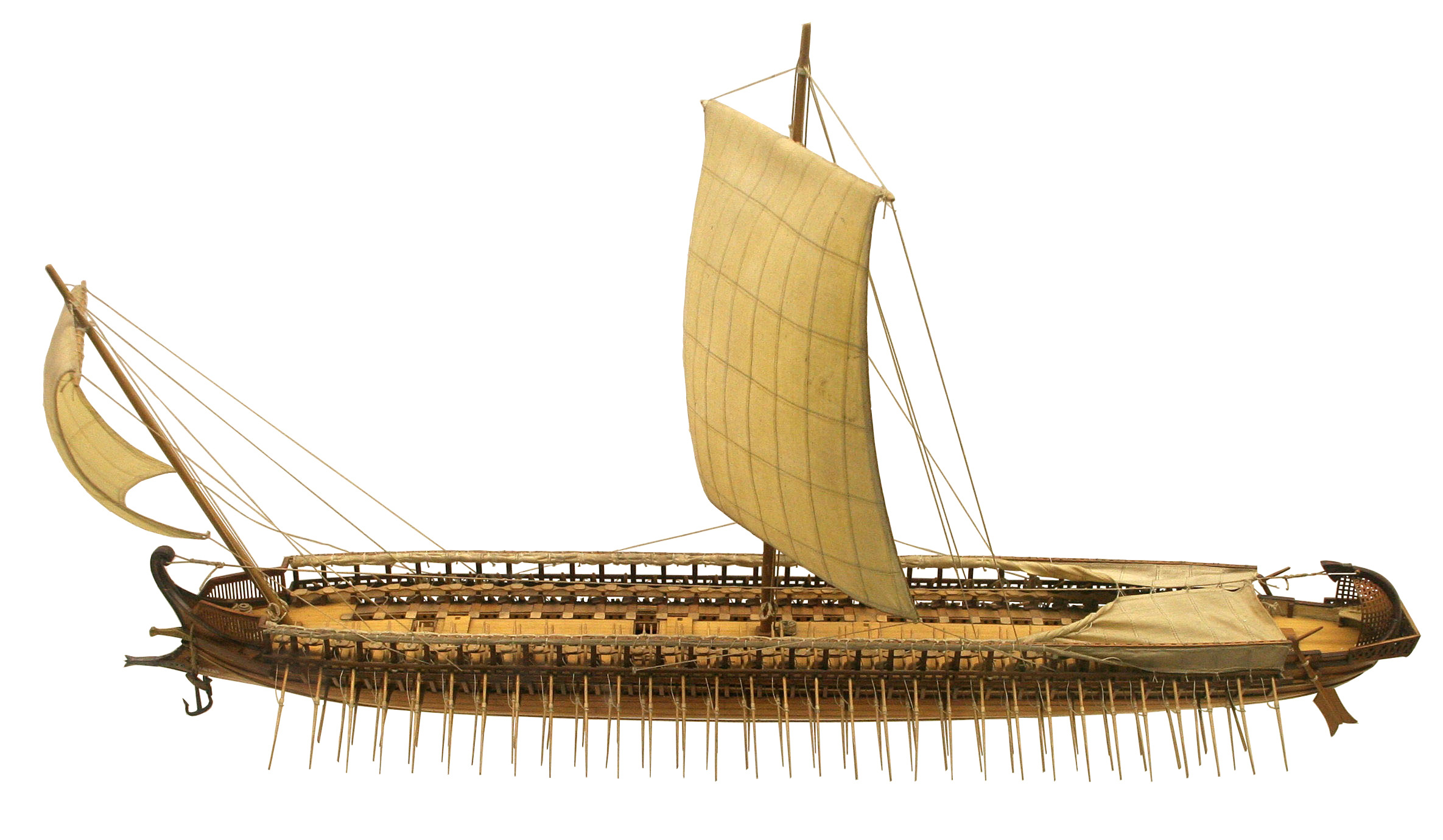
- Helots- forced to work for the landowner but not owned
Need to know - Ionian Sea, Aegean Sea, Greece, Adriatic Sea, Crete - greek island, Athens, Sparta, Peloponnese, Mediterranean - middle of the earth,
Wednesday, February 26, 2014
Friday, February 21, 2014
LO 1
The European Barbarians
- 4000 bc - farming and village life spreads from Sumerian and Egyptian lands across SW asia
- 3500 bc - some are organized enough to construct megaliths, massive rough-cut stones used to construct monuments and tombs, such as Stonehenge, (stacked and circled)
- from 2500 bc on- European nomads migrated from the steppes in
- their language would evolve into greek and latin
- lives centered around strength and courage, comradeship and loyalty, contests and battles
- Thinner populations than egypt or Mesopotamia - they formed tribes, social and political unit consisting of communities held together by common interests, traditions, and real or mythical ties of kinship (The Odyssey)
- Tribes- groups of people held together by common interest
- Tribes were headed by hereditary chieftains, thought of as kings
- no cities, no written records, no fixed structures of government
- good at trading
- good at warfare
- good at metalworking
- were Barbarians
- adopted the way of life of those whom they encountered, as they traveled, this is eventually how civilization spread
- the Greeks developed civilization is the first that counts as definitely "Western"
- 4000 bc - farming and village life spreads from Sumerian and Egyptian lands across SW asia
- 3500 bc - some are organized enough to construct megaliths, massive rough-cut stones used to construct monuments and tombs, such as Stonehenge, (stacked and circled)
- from 2500 bc on- European nomads migrated from the steppes in
- their language would evolve into greek and latin
- lives centered around strength and courage, comradeship and loyalty, contests and battles
- Thinner populations than egypt or Mesopotamia - they formed tribes, social and political unit consisting of communities held together by common interests, traditions, and real or mythical ties of kinship (The Odyssey)
- Tribes- groups of people held together by common interest
- Tribes were headed by hereditary chieftains, thought of as kings
- no cities, no written records, no fixed structures of government
- good at trading
- good at warfare
- good at metalworking
- were Barbarians
- adopted the way of life of those whom they encountered, as they traveled, this is eventually how civilization spread
- the Greeks developed civilization is the first that counts as definitely "Western"
Thursday, February 20, 2014
Thursday
Today we went over our quiz and circled the correct answer. I received a 77 on the test. I thought I had did better thAn that. I guess I will just have to work harder next time.
Wednesday, February 19, 2014
Pyramid Day
Today we worked on building a pyramid in class. This activity was very annoying and bothered me so much. I still didn't complete it because of the frustration it caused! Thanks Mr. Schick!!! Tomorrows thursday !!
Tuesday, February 18, 2014
Test day
Today is February 18, I am now 15 years of age and I am writing this in recommendation to the test that we took. I think I did very good, but usually when I think I do good I may not. Although this time I feel like I did. I worked on an assignment today during class which was to post notes to my blog after reading a certain amount of pages.
- barbarian- term used to describe the distinctive way of life based on farming, warfare, and tribal organization that became widespread in Europe beginning around 2500 b.c.
- megaliths - massive rough-cut stones used to construct monuments and tombs
- tribe- a social and political unit consisting of a group of communities held together by common interests, traditions and real or mythical ties of kinship.
- stonehenge- the most famous of megalithic structures was built by a farming and trading people in the west of england
- Dark ages- attacks of the sea peoples on egypt
- Aegean Encounter - advanced and prosperous people
- first such barbarian people to make contact with civilization were the Greeks
- the mycenaean greeks were a warlike people whose leading warriors rode into battle in horse drawn chariots
- Mycenaean also struggled with the Minoans
Wednesday, February 12, 2014
Today
Today we went over a video, and talked about the weather. We talked about how the weather is going to be severe and have to stay off the road.
Friday, January 31, 2014
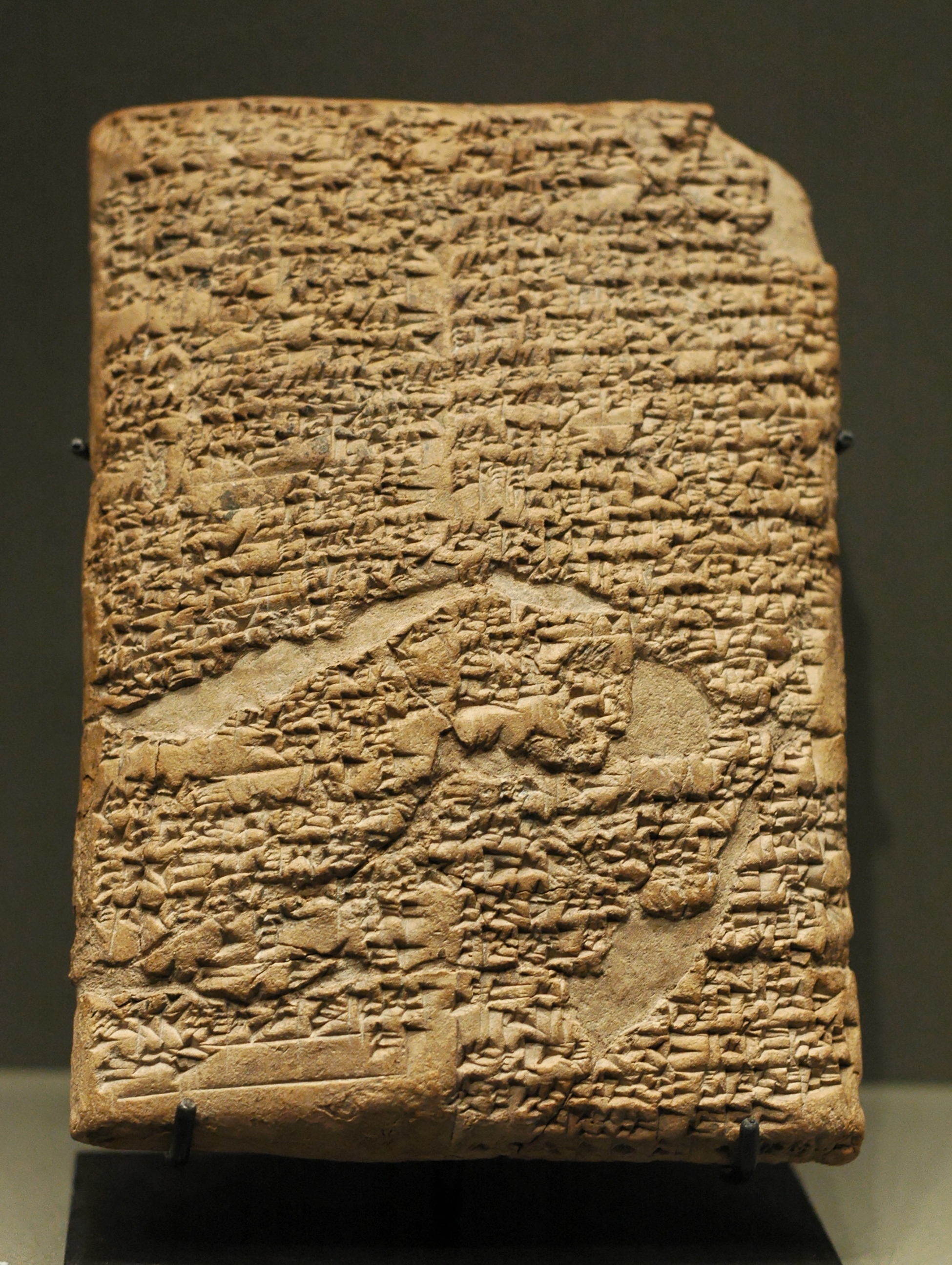
Hammurabi's Laws
Tuesday, January 28, 2014
First Lesson

Thursday, January 23, 2014
First day in Western Civilization.
Today was our first day in Western Civilization. We also had a 2 hour delay. We were told to make design a new blog that was titled Western Civilization. We didn't have that much time today because we had a 2 hour delay and we were watching a movie about women gaining more control. I hope this semester to get an A for both quarter in Semester 2. I designed my blog and changed the template.
Subscribe to:
Comments (Atom)